Hi Reader, I’m delighted to announce that applications are opening for Season 2 of the Helicopter Data Podcast! What started as an experiment turned into an entire first season.This has been one of the most exciting projects I’ve worked on. In case you missed them, you can watch all the previous episodes on YouTube. Two of the Season 1 guests came from my Career Unblocking Community: The Habit That Separates Top Data Professionals with Jessica Franks Doing More Won’t Get You Promoted. Do This...
15 days ago • 1 min read
Hi Reader, In a recent coaching call with a VP of Data, I asked them one question: If I asked your CTO to name one big win they'd attribute to you – what would they say? Their answer: I don't think they'd be able to give you any This is a high performing VP with an incredible track record, and are recognised as subject matter expert of their business.That's not unusual. I hear some version of this at every level. Careers stall, and it's rarely because: The work isn't good The person isn't...
22 days ago • 1 min read
Hi Reader, Changing roles can cost you more than you realise. I regularly meet people whose careers look like this:Data Analyst → Data Engineer → Data Scientist → Product Manager Every move may have made sense at the time.But together, they created a problem: each change forced them to partially start again. They had to: Learn new skills Rebuild their credibility Compete with people who had spent years developing expertise in that field Compare that with someone whose career looks like...
29 days ago • 1 min read
Hi Reader, Nobody knows exactly what they’re doing.Some people are just better at hiding it. Imposter syndrome is real: that feeling that you’re not truly qualified for your job, and that sooner or later, everyone will find out. It affects people at every level – from university graduates to VPs and CEOs of major companies.I know because I work with them. Experience doesn’t necessarily make those feelings disappear. But it can give you better tools for managing them. One of the most useful is...
about 1 month ago • 1 min read
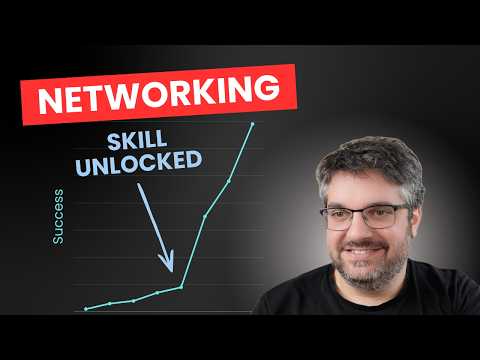
Hi Reader, About a month ago, I flew to France for a business lunch.At border control, I met another British pilot. We started chatting, connected, and I asked if he wanted to exchange details and have a proper conversation sometime.It turns out he’s the CEO of a very successful company. This weekend, I flew to his house, landed in his garden, and we talked about potential projects we could work on together. 🤞 I’m not sharing this to brag.I’m sharing it because it reminded me of something...
about 1 month ago • 1 min read
Hi Reader, The conversation around AI has taken us backwards.Let me explain. There are 3 ways to think about your work: Inputs: the things you use to do the work – tools, platforms, resources, AI models Outputs: the things you build – pipelines, dashboards, data models, reports Outcomes: the things that change in the business because of the work – lower churn, higher revenue, faster decisions, better customer experience For years, I’ve argued that most data teams spend too much time thinking...
about 2 months ago • 1 min read
Hi Reader, Are you worried your job might not exist in a few years?That AI could do what you do just as well? Many data professionals are. I believe there are two types of data professionals in the market today: Those who take requirements, execute them, and wait for the next request Those who ask questions, challenge assumptions, bring perspective, and spot opportunities before anyone asks for them Which group do you think AI will struggle to replace? The biggest risk isn't AI.It's becoming...
about 2 months ago • 1 min read
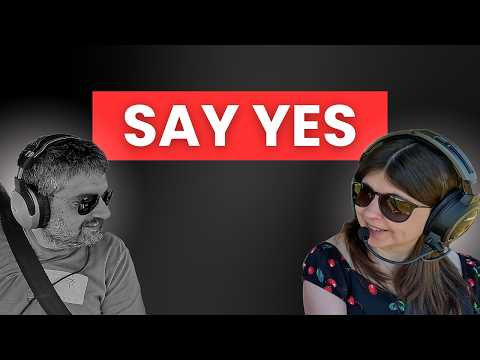
Hi Reader, "Shachar, I feel completely stuck in my career". I hear this all the time in mentoring conversations.And when we dig deeper, I rarely find a lack of opportunities. What I find is that people often: Struggle to put themselves forward Don't spot opportunities when they appear Don't say "yes" and seize opportunities that come their way Why? Sometimes it's imposter syndrome.Sometimes it's being overwhelmed.Sometimes it's fear of taking a risk. In my latest Helicopter Podcast episode, I...
2 months ago • 1 min read
Hi Reader, People think a better CV will help them get their dream job.It won't. AI has ruined the recruiting industry: People tailor their CVs to match job descriptions perfectly LinkedIn makes applying easier than ever, making the job-seeking game very crowded AI filters candidates before a human even looks at them, leading to strong candidates being eliminated of roles, because others play the game better Recruiters and hiring managers tell me they get thousands of applications within 1-2...
2 months ago • 1 min read